Arkipelago, To Fail the World with an Open Heart

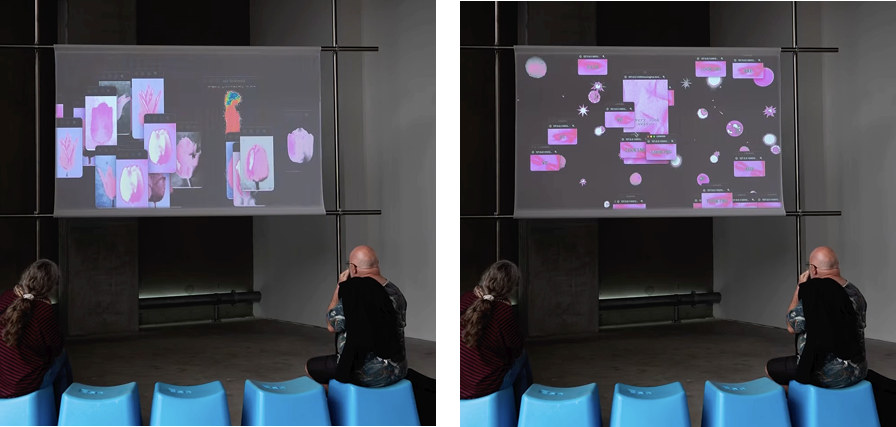
'Inductive logic' responds to current post-info-era standards of reasoning, which are based on probability, not certainty. Lowering our collective standards for informed logic gives way to non-reflection and uninformed 'reasoning' — the acceptance of insignificance behind opinion. We've recently encountered dismissals of digital & video art with reflections such as, 'it's just a video,' without even attempting to engage with the experience or contemplating the creative and production work behind the on-screen experience. We feel this is a tragic result of inductive logic's influence on people's 'critical' analysis. The term 'logic' has also become a key reference word in computing, and thus digital image making. Logic should 'abide to strict principles of validity', though today the word 'logic' requires a precursive adjective, such as inductive, as the current lack of validity principles aim to counter disregards of moving image art by giving it a large & central spotlight in the gallery space.
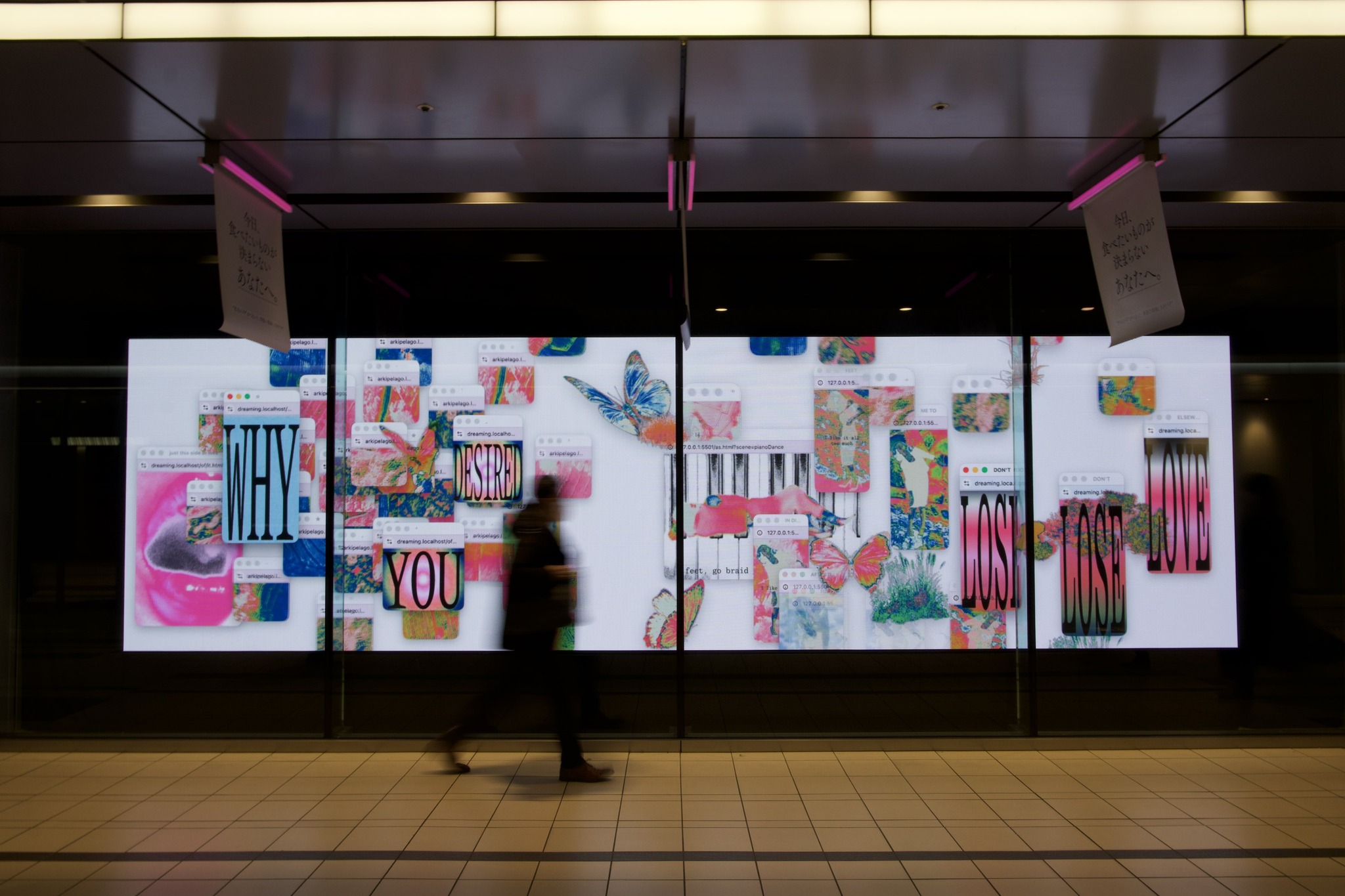
The streets of Shibuya have continuously transformed. Redevelopment, policy changes, and shifts in the flow of people. These elements pile up like geological strata, accumulating within the city without ever being visualized. On the other hand, the screens scattered throughout the city, despite being at the forefront of these transformations, have functioned merely as devices that repeatedly display current information. "Screens Contextualized" is an experiment that re-examines the role of these screens and reorganizes them into devices that connect with the layers of memory and environment that the city has contained.

Arkipelago presented as a three-channel video installation: three synchronized screens depicting the tides, calamity, and territory of a barangayscape simulation drawn from Filipino second creation mythologies.
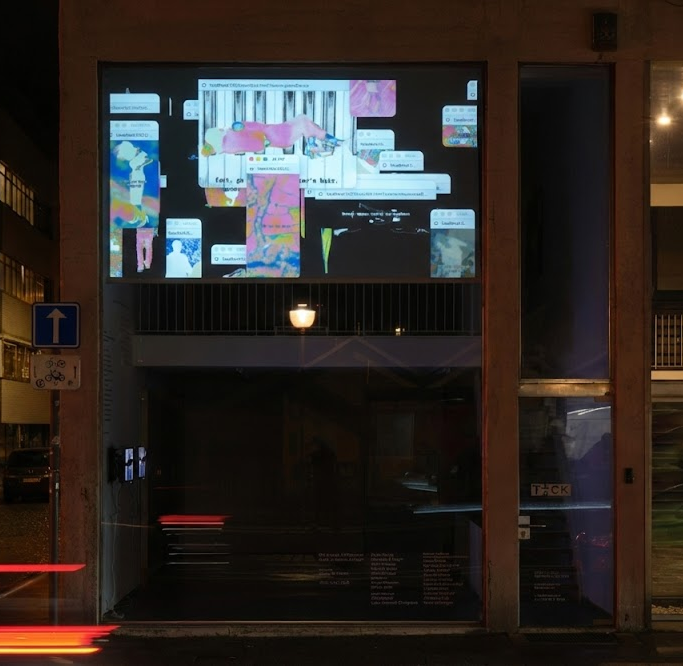

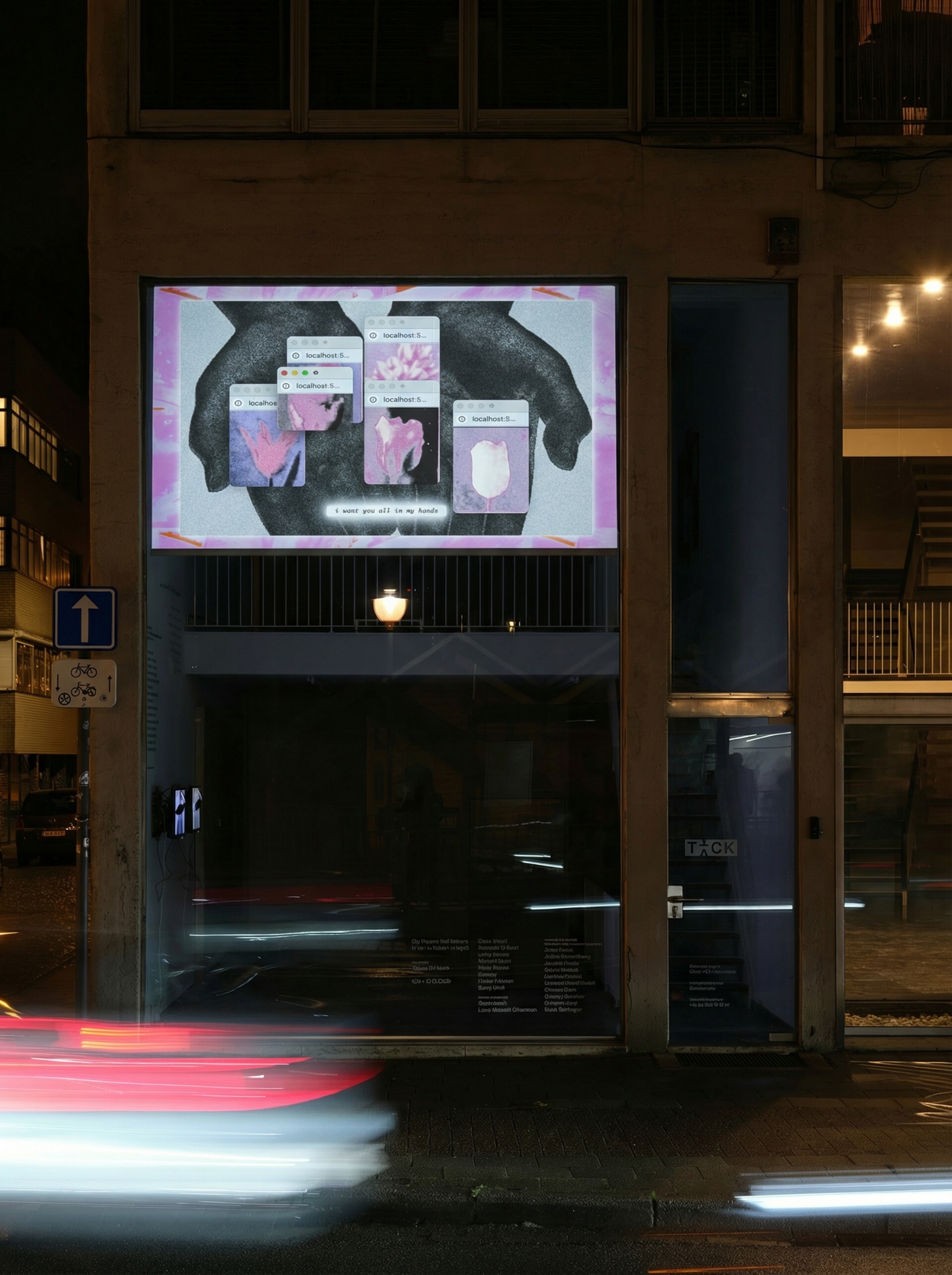
Please Compile Carefully explores software art as a site of intimate human craft. The program brings together two contrasting artistic approaches and examines how software can function as an expressive material rather than a purely technical one. Through acts of performance and rewriting, the works emphasize the human gestures, decisions, and labor embedded within computational systems.
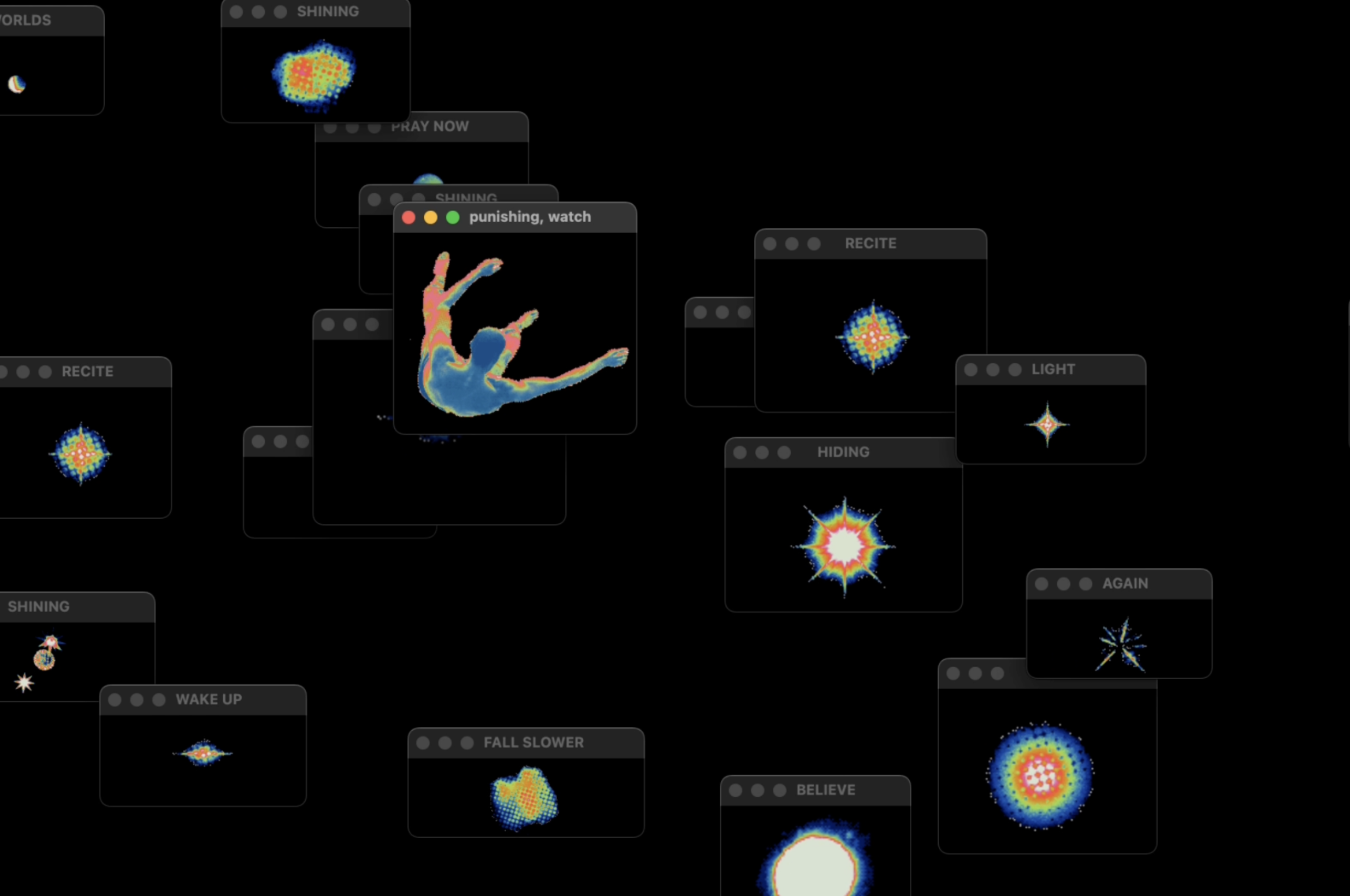
A series of dreamscapes handcoded and executed off the desktop.
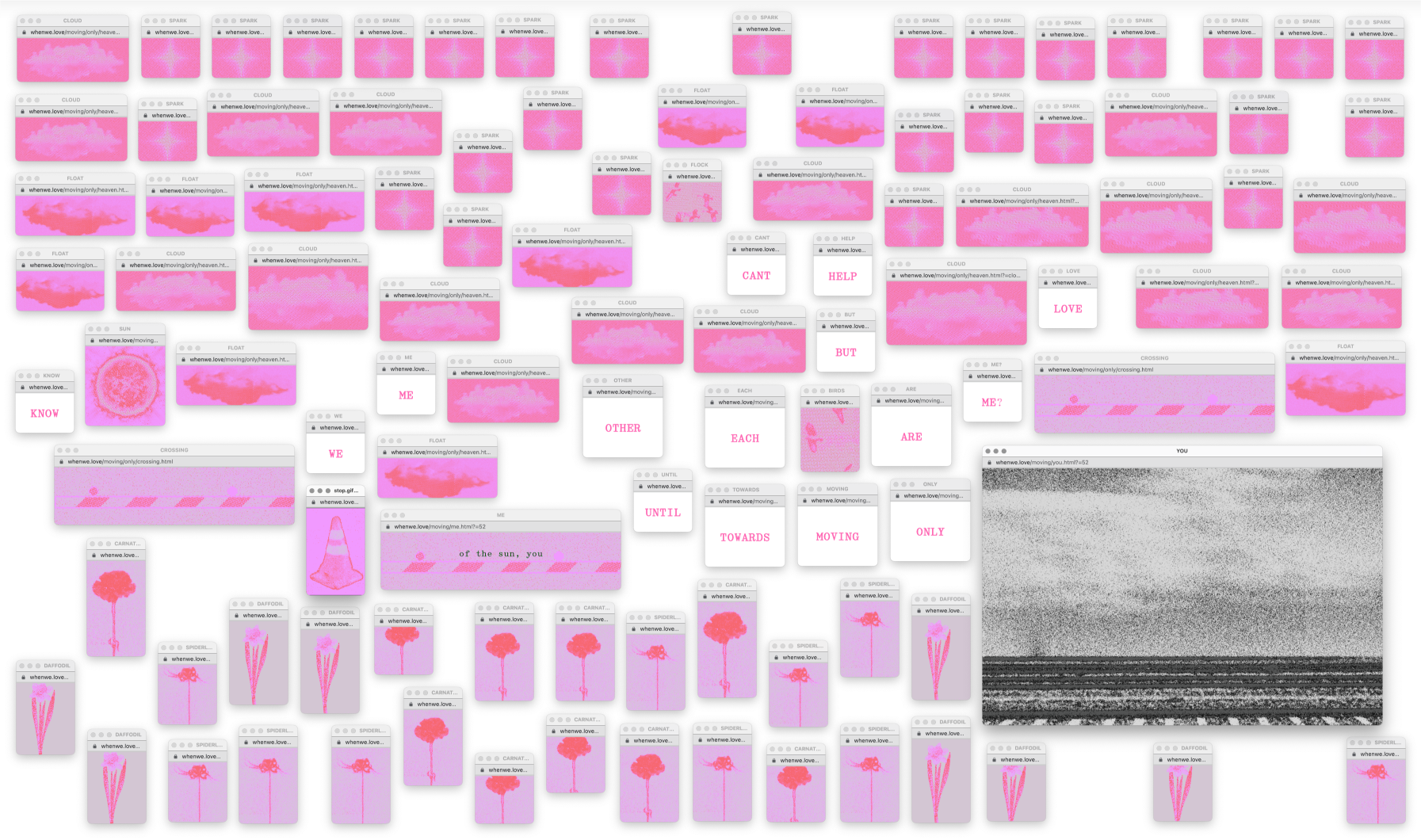
Tracing ME and YOU.

Assembled out of new/old/unfinished pieces: a story about two boys, their bodies, and sound as the medium of memory... After Norman Dubie's 'An Annual of the Dark Physics' and Joshua Uyheng's 'Isaac'